Removing a Wall? Here's What Your Builder Needs From a Structural Engineer

Planning an open-plan kitchen diner or a bigger, lighter living space? We provide the structural calculations, steel beam design and Building Control pack your builder needs to remove the wall properly — delivered within 3–7 working days of a site visit.

Chartered Engineer (CEng MICE) Reports accepted by insurers, lenders and Building Control 173+ five-star reviews on Google & Trustindex

You probably have one simple question: can I remove this wall safely? Most homeowners are trying to create an open-plan kitchen, open up a dining room, remove a chimney breast, or make a darker part of the house feel bigger and lighter.

The confusing bit is that your builder cannot just start knocking through. If the wall is load-bearing, you need structural calculations, a correctly sized steel beam, proper bearing details and paperwork that Building Control will accept. That is exactly what we handle for you.

Is this the right service for you?

Removing a load-bearing wall between kitchen, dining or living spaces
Planning a knock-through to create an open-plan layout
Need a steel beam / RSJ design for your builder
Builder or Building Control has asked for structural calculations
Removing a chimney breast or widening an existing opening
Not sure whether the wall is load-bearing? We can still help — we also offer a Non-Load-Bearing Wall Check with a site visit and written confirmation for £285.

How the process works

1
Tell us what you want to open up

Our engineer visits your home, checks whether the wall is load-bearing and confirms what is structurally possible for your layout.

2
We design the steel beam and supports

We specify the correct steel beam, padstones and support details so the load is carried safely and the builder knows exactly what to install.

3
Your builder gets the pack to do it properly

You receive calculations and builder-ready drawings to get accurate quotes, order the steel, complete the work and satisfy Building Control.
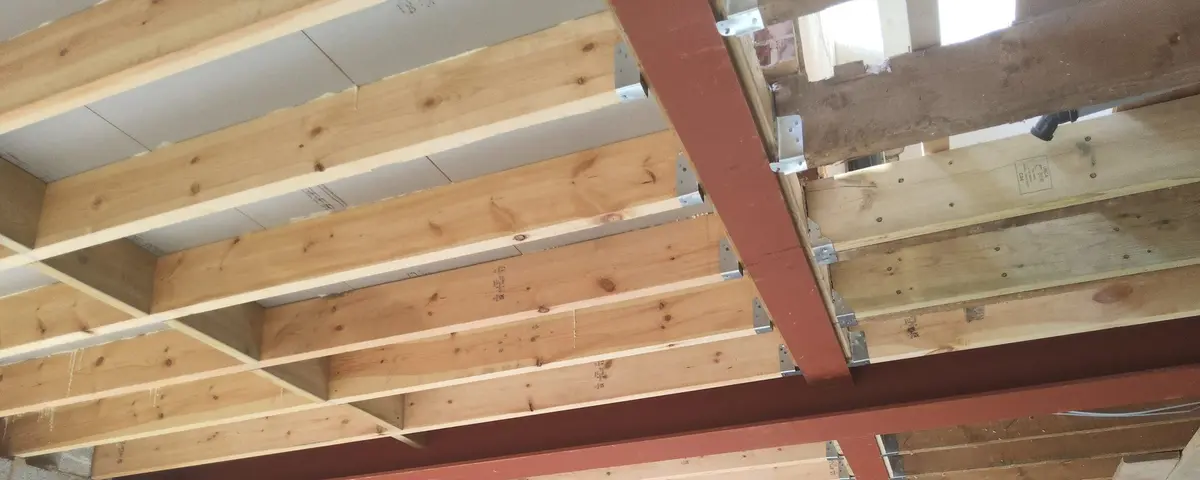
RSJ steel beam being installed during load-bearing wall removal by Simplify Structures

Recent wall-removal project

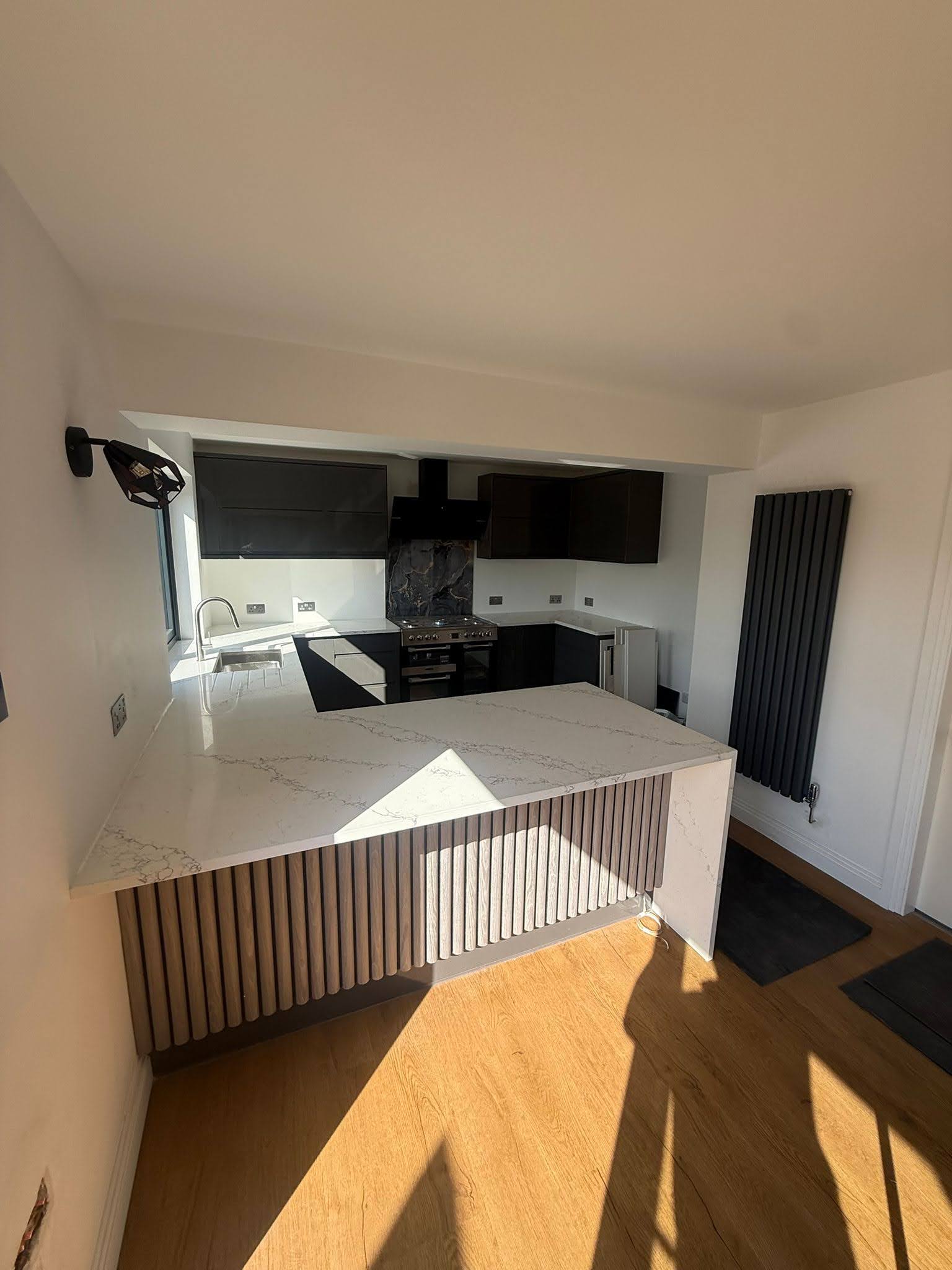
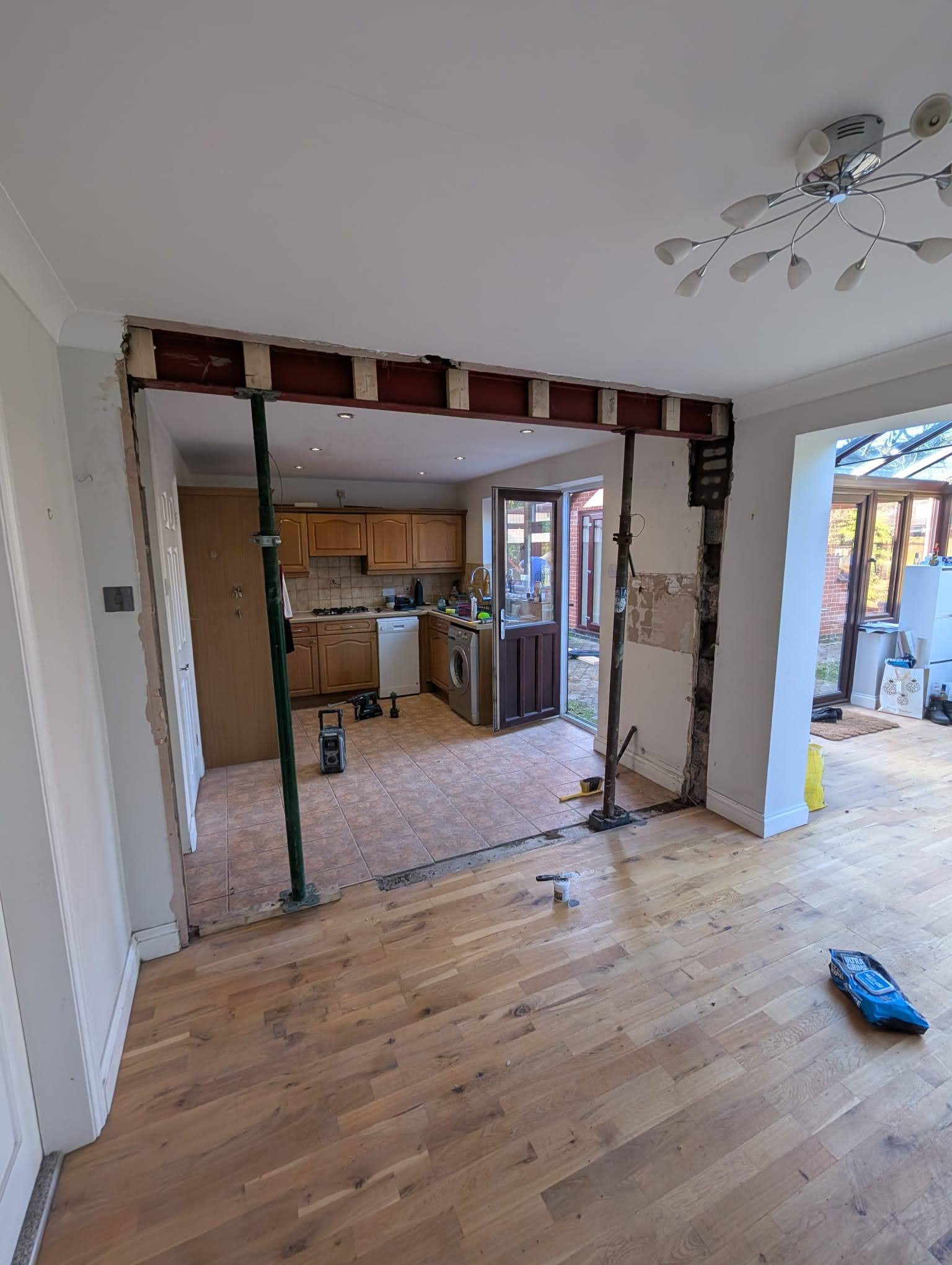
Real photos from a recent wall-removal and kitchen project — showing the structural opening, steel support and finished open-plan result.
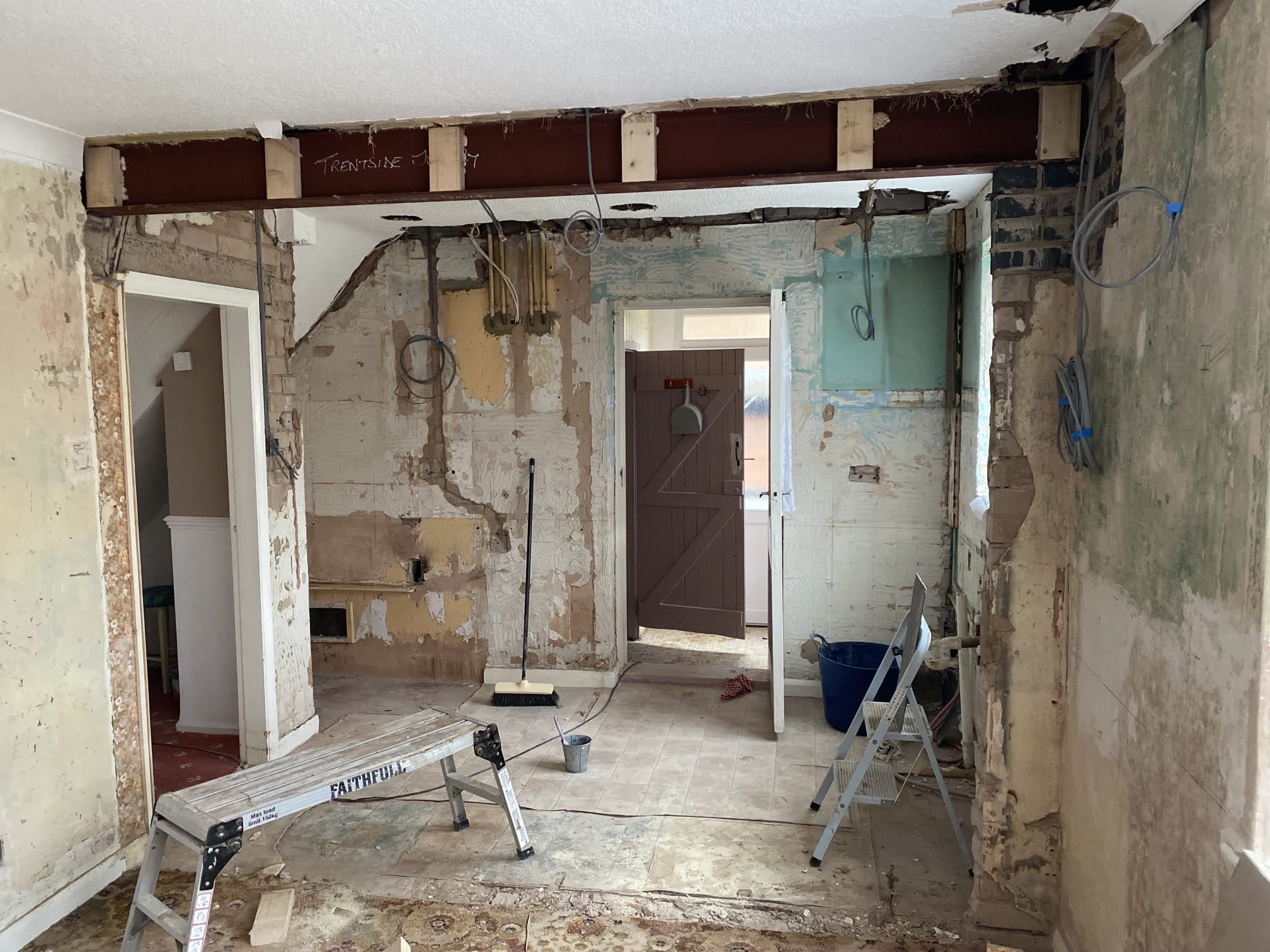
Steel beam opening during strip-out phase
Open-plan kitchen opening during works
Finished open-plan kitchen after wall removal

Do I need a structural engineer to remove a wall?

If the wall is load-bearing — even partly — yes. The Building Regulations (Approved Document A) require structural calculations from a qualified engineer for any load-bearing alteration in England and Wales. Building Control will not issue a Completion Certificate without them, and without that certificate the work is unauthorised, which causes real problems when you sell or remortgage.

If the wall is genuinely non-load-bearing you do not need engineer calculations. But because non-load-bearing status is not always obvious from the floor below, we offer a fixed-price Non-Load-Bearing Wall Check (£285) which gives you a written confirmation you can show your builder, your buyer or your buyer's solicitor.

Load-bearing wall
Engineer required by law. We provide everything from £450.
Non-load-bearing wall
Engineer not legally required, but a £285 written check protects you.

How to tell if a wall is load-bearing

A load-bearing wall carries weight from above — the floor joists, the wall above, sometimes the roof. Remove it without a properly designed steel beam and the structure above sags, cracks or in extreme cases collapses. A non-load-bearing wall is just a partition that divides the room without carrying any load.

Signs it may be load-bearing

  • Runs perpendicular to the floor joists above
  • Sits directly above another wall on the floor below
  • Part of an external or party wall
  • Built of brick or blockwork rather than studwork
  • Thicker than 100mm finished, or sounds solid when knocked
  • Runs in line with a steel beam in an adjacent room or ceiling

Signs it may be non-load-bearing

  • Runs parallel to the joists above
  • Built of timber stud and plasterboard
  • Does not continue to the storey below
  • No wall, beam or roof element sits directly above it

None of these are conclusive — if in doubt, get it checked.

Pros and cons of removing a load-bearing wall

Pros

  • Open-plan living — typically adds 5–10% to property value
  • More natural light across previously enclosed rooms
  • Cook, eat and socialise in the same space
  • Future-proofs the layout for a growing family or working from home
  • One-off cost — once it is done, it is done forever

Cons

  • Total project cost £3,000–£8,000 (engineer + steel + builder + Building Control + redecoration)
  • Kitchen typically out of action for 1–3 weeks
  • Hidden surprises — wiring, plumbing or chimney flues may need rerouting
  • Less acoustic and heat separation between the rooms you joined
  • Some buyers prefer separate rooms — open-plan is not universally preferred

Building Control — what you need to know

This is routine work when it is designed and signed off properly. Three things to get right:

1
Notify Building Control before work starts

File a Standard Building Notice form with your local council (or a private building control inspector) at least 48 hours before work starts. Submit our drawings and calculations with this form.

2
Book the inspection before closing up

Do not let your builder close up the ceiling or add plasterboard until the work has been inspected. Building Control must see the installed steel beam and padstones to verify they match the specifications. Once satisfied, they issue a Completion Certificate.

3
Box in the steelwork with fire-rated plasterboard

After the inspector approves the steelwork, box it in with two layers of 12.5mm fire-rated (pink) plasterboard. This is a UK Building Regulations requirement.

Keep your Completion Certificate safe — solicitors will require it if you ever sell or remortgage. Without it, the work is “unauthorised” and can cause serious problems in a house sale.

Choosing the right builder

Removing a load-bearing wall is a routine job for an experienced builder, but choose someone who has carried out structural knock-throughs before. A good builder will:

  • Use Acrow props to support the structure safely while the wall is removed
  • Follow your engineer's drawings exactly — including steel grade and padstone sizes
  • Confirm the span on site before ordering steel
  • Call Building Control for the inspection before plastering over the beam
Wall removed without Building Control approval? If a wall was removed more than 12 months ago without approval, this doesn't automatically prevent a sale or remortgage. We can carry out an SSI structural inspection to confirm the current adequacy of the structure, which most solicitors and lenders will accept alongside Building Control indemnity insurance.

Buying a house where a wall was already removed?

Open-plan homes are popular precisely because previous owners have removed walls. Most of the time the work was done properly. Sometimes it was not. As a buyer, you do not have to take that risk on faith.

1
Ask for the Building Control Completion Certificate

It confirms the wall removal was inspected and signed off. If the seller cannot produce it, treat the work as unauthorised until proven otherwise.

2
Look for visible warning signs

Cracking above the opening, a sagging or bouncy floor above, doors and windows nearby that no longer close cleanly, or visible movement in the beam itself.

3
Commission an independent inspection

A focused structural inspection (SSI, £480) gives you a written opinion on whether the alteration is structurally adequate today. For a broader picture, a full house structural inspection (GSI, £585) is the better option.

Spending £480 to check a structural alteration on a £200,000+ purchase is almost always worthwhile — either you confirm the property is fine and proceed with confidence, or you find an issue you can negotiate on before completion.

Why homeowners choose us for wall removal

Fixed priceagreed upfront so you know the cost
Fast turnaroundmost packs delivered in 3–7 working days
Builder-ready drawingsthat reduce confusion on site
Building Control-readycalculations by chartered engineers
Plain English adviceif you are unsure what is possible

Related guides

Steel beam sizes and wall-removal cost guideSurveyor vs structural engineer: who does what?Worried a previous alteration has caused cracking?
Meet your engineer
Your site visit will be carried out by Robert or Daniel — our engineers have worked on more than 1,000 residential projects across the Midlands.

Fixed-price wall removal pack

£450
inc VAT · fixed price
  • Site visit to your home
  • Steel beam and padstone design
  • Builder-ready drawings
  • Building Control-ready pack
  • 3–7 working day delivery
Contact us
Why homeowners book this service
  • Wall Removal Calculations with builder-ready drawings and Building Control-ready calculations
  • Technical packs usually delivered in 3–7 working days
  • Professional indemnity and public liability insurance
  • 173+ five-star reviews on Google & Trustindex
Extra elements?
Each additional load-bearing wall or beam in the same project is +£96.

Not sure if your wall is load-bearing? We offer a Non-Load-Bearing Check for £285 — a site visit and official letter confirming the wall type.

See our wall removal cost guide for a full breakdown of what's included and what affects pricing.

Frequently asked questions

Answered by a chartered structural engineer.

Do I need a structural engineer to remove a wall?
You need a structural engineer if the wall is load-bearing — even partly. The Building Regulations (Approved Document A) require structural calculations from a qualified engineer for any load-bearing alteration, and Building Control will not sign the work off without them. If the wall is genuinely non-load-bearing, you do not need an engineer for the calculations, but a £285 non-load-bearing wall check gives you a written confirmation that protects you if a future buyer or surveyor asks.
How do I know if a wall is load-bearing?
There are visual clues — load-bearing walls usually run perpendicular to the floor joists above, sit directly above another wall on the floor below, are part of an external or party wall, or are made of brick / blockwork rather than studwork. But none of these are reliable on their own. The only safe way to know is to have a chartered structural engineer inspect it. We do this as part of the £450 wall-removal calculation pack, or as a £285 non-load-bearing wall check if that is all you need.
How much does it cost to remove a load-bearing wall?
Total project cost in the UK is typically £3,000–£8,000, broken down as: structural engineer calculations and drawings £450–£550, steel beam supply £200–£800 (depends on size and length), builder labour for removal, propping, beam installation and making good £1,500–£4,000, Building Control fee £200–£400, plastering and decoration £500–£1,500. Our fixed engineering fee is £450 for one wall / single beam, with no call-out charge and no hidden extras.
Can a builder remove a load-bearing wall without an engineer?
No. It is unlawful under the Building Regulations to alter a load-bearing element without engineer-signed structural calculations submitted to Building Control. A builder can install the beam, but the calculations must come from a chartered structural engineer (CEng MICE). Skipping this step is a notifiable offence and creates a major problem when you sell — solicitors require the Building Control Completion Certificate, and without engineer calculations no certificate is issued.
Do I need planning permission to remove an internal wall?
Usually no. Removing an internal wall is normally permitted development and does not need planning permission. Exceptions are listed buildings, properties in a conservation area where internal alterations are restricted, or where the change affects the external appearance. Building Regulations approval is a separate matter and is required for any load-bearing alteration regardless of planning.
How do I know if a wall was removed safely in the past?
Three things to check: (1) ask the seller for the Building Control Completion Certificate — it confirms the work was inspected and signed off; (2) look for visible cracks above the opening, sagging in the ceiling, or doors / windows that no longer close properly; (3) if the certificate is missing or you have any doubts, commission a structural inspection (SSI £480) or a full house structural inspection (GSI £585). A chartered engineer can confirm in writing whether the work is structurally adequate, which solicitors and lenders will accept alongside a Building Control indemnity policy.
What is an RSJ?
RSJ stands for Rolled Steel Joist — a steel I-beam used to support the structure above when a load-bearing wall is removed. Although homeowners and builders use the term RSJ for any steel beam, modern residential beams are usually Universal Beams (UB) such as a 152x89x16 UB or 203x133x25 UB. The structural engineer specifies the exact section, length and steel grade based on calculations of the span, loads and deflection limits.
How quickly can you visit and how long until I get the calculations?
We aim to respond to enquiries within two working hours and book a site visit within a few working days, depending on location and diary. The full calculation pack — engineer-signed drawings, beam specification, padstone details and Building Control submission documents — is delivered electronically within 3–7 working days after the visit.
Can I get a fixed quote before committing?
Yes. The fixed price of £450 + VAT covers one load-bearing wall removal with a single steel beam in a standard residential property. Each additional wall or beam in the same project is +£96. Tell us what you are planning and we will confirm whether the standard price applies before you book — it does in the great majority of cases.
Will my builder know what to do with your drawings?
Yes. The pack is written for builders and Building Control. It specifies the steel beam (size, weight, length, grade), the padstone details at each end, the temporary propping requirements during installation, and any additional supports. Your builder uses it to order the steel and to follow on site. We are happy to take a phone call from your builder if anything needs clarification.
Will removing a wall affect my house value?
When done properly, opening up a wall for an open-plan kitchen-diner is one of the best-returning home improvements in the UK. Estate agents typically report that open-plan layouts add 5–10% to a property's market value. On a £250,000 home that is £12,500–£25,000 in added value against a typical project cost of £3,000–£8,000.
Will this cause problems when I try to sell the house later?
Not if it is done properly. As long as you have engineer-signed structural calculations and a Building Control Completion Certificate, solicitors and buyers can see the work was carried out correctly. We provide everything you need for that. If a previous owner did the work without sign-off, it is usually solvable with a regularisation application, an indemnity policy, or a chartered engineer's structural inspection (SSI £480) confirming the work is currently adequate.

Get Your Instant Quote

Enter your postcode to check coverage and see pricing

Email usWhatsApp
WhatsAppCall usEmail