Signs of Subsidence — How to Check Your Home and What to Do

How to spot subsidence — the 8 warning signs, how to identify subsidence cracks, what causes it in UK homes, and exactly what to do if you find it. Guide from Chartered Engineers.

Chartered Engineer (CEng MICE) Reports accepted by insurers, lenders and Building Control 173+ five-star reviews on Google & Trustindex

What Is Subsidence?

Subsidence is when the ground beneath your home sinks, pulling the foundations down with it. If it happens unevenly — one side dropping while the other stays put — the building cracks.

The good news: most cracks in UK homes are not subsidence. They're caused by normal settlement, plaster shrinkage, or seasonal ground movement. But you need to know the difference, because real subsidence gets worse over time, reduces your property value, and can block a sale or remortgage.

The 8 Warning Signs of Subsidence

These are the signs our Chartered Engineers look for during a structural inspection:

  • Diagonal cracks wider than 1mm — typically following mortar joints in a stepped 'staircase' pattern, wider at the top than the bottom
  • Cracks around doors and windows — openings are the weakest points; cracks running from frame corners towards the ceiling or floor
  • Doors and windows sticking or jamming — frames distorting as the wall moves
  • Cracks that keep coming back after repair — a strong indicator of ongoing movement
  • Wallpaper crinkling at wall-ceiling joins — where movement shows up first
  • Extension pulling away from the main house — a visible gap often means different foundation depths
  • Cracks visible on both internal and external walls — suggests the crack runs through the full wall thickness
  • Uneven or sloping floors — the floor structure may have shifted

What Do Subsidence Cracks Look Like?

Not all cracks mean subsidence. Here's how to tell the difference:

  • Subsidence cracks — diagonal, wider at the top, follow mortar joints in a stepped pattern, usually near doors/windows, get worse over time
  • Settlement cracks — hairline, straight (vertical or horizontal), common in new builds, stop growing after a few years
  • Thermal movement cracks — appear and close with the seasons, common where different building materials meet
  • Plaster shrinkage cracks — very fine, random direction, appear in newly plastered walls as plaster dries

The BRE (Building Research Establishment) classifies cracks by width: up to 1mm is hairline (cosmetic), 1–5mm is worth investigating, 5–15mm is moderate to severe, and over 15mm requires urgent assessment.

What Causes Subsidence in the Midlands?

Properties across the Midlands face specific subsidence risks:

  • Clay soils — the most common cause. Clay shrinks when dry and swells when wet. Much of Leicestershire, Warwickshire, Northamptonshire, and parts of Nottinghamshire sit on clay.
  • Tree roots — willows, oaks, and poplars draw huge amounts of water from the soil, drying out the ground under foundations
  • Leaking drains — can wash away or soften the ground beneath foundations. Older drainage systems (pre-1960s) are particularly prone
  • Previous mining activity — parts of north Warwickshire, south Derbyshire, and Nottinghamshire are affected by old mine workings

Subsidence vs Settlement

These are often confused, but the distinction matters — especially for insurance:

Subsidence — caused by external factors (clay shrinkage, tree roots, leaking drains), can happen at any age, gets worse without treatment, and most home insurance policies cover it.

Settlement — the natural compression of soil under a new building's weight, happens in the first few years after construction, then stops. Insurance typically does not cover settlement.

Heave is the opposite of subsidence — the ground swells upward, usually after a tree is removed and the soil rehydrates.

How to Check for Subsidence Yourself

Before calling an engineer, you can do a basic check:

  • Inspect your walls — walk around the outside and look at brickwork near windows, doors, and corners
  • Check doors and windows — note any that stick, jam, or have new gaps around frames
  • Measure cracks — anything under 1mm is likely cosmetic; over 1mm, get professional advice
  • Check inside — look above doors, around windows, and at wall-ceiling junctions
  • Monitor over time — mark crack ends with a pencil and date, check again in 4–6 weeks

If you see cracks wider than 1mm, cracks that appeared suddenly after a dry spell, or a visible gap between your extension and the main house — skip monitoring and book a structural inspection.

What to Do If You Find Signs of Subsidence

Finding what looks like subsidence doesn't mean panic — but it does mean action:

Step 1 — Document what you've seen. Photograph all cracks, measure widths, and note any doors or windows that are sticking. Date everything.

Step 2 — Contact your insurer. If you have buildings insurance, call your insurer and describe what you've found. Most policies cover subsidence investigation as well as repair. Do this before spending any money on investigation yourself — your insurer may appoint a loss adjuster or engineer on your behalf.

Step 3 — Book a structural inspection. If you're buying the property, selling it, or your insurer isn't acting quickly enough, book an independent structural inspection. A Chartered Engineer's report will classify the cause of movement, rule out subsidence where it isn't present, and specify remediation if needed.

Step 4 — Address the cause, not just the symptom. Filling cracks without resolving the underlying cause (clay shrinkage, tree roots, leaking drains) guarantees they'll return. The engineer's report will identify the root cause and the correct fix.

Subsidence and Home Insurance

Most standard buildings insurance policies cover subsidence in the UK. This typically includes the cost of investigation (surveys and reports), underpinning or other structural repairs, and associated reinstatement works (replastering, redecorating).

What insurers want to see:

  • A structural engineer's report confirming subsidence and its cause
  • Evidence that the cause has been addressed (e.g. drain repair, tree removal)
  • Monitoring data if the movement is recent and still active

Important: contact your insurer before starting any remediation work. Carrying out repairs without insurer approval can invalidate your claim.

If you're buying a property with a history of subsidence, always ask for the previous insurer's claims history and any engineer's reports from remediation. A property that has been successfully underpinned and monitored can be insured — but insurers may apply a higher excess on subsidence claims.

Will Subsidence Affect My Mortgage or Property Sale?

Subsidence on a property raises flags for mortgage lenders and solicitors. However, with the right documentation, it doesn't have to block a sale or mortgage application.

What mortgage lenders need to see:

  • A structural engineer's report stating the property is stable
  • Evidence that any active subsidence has been resolved
  • Where underpinning has been carried out, a guarantee from the contractor (often 10–25 years)

Selling a property with subsidence history: You are legally required to disclose known structural issues on the TA6 property information form. Failing to do so can result in legal action after completion. The best approach is to commission a report yourself before marketing — a clean bill of health from a Chartered Engineer is a powerful reassurance for buyers.

Buying a property with subsidence history: Never rely on the seller's report alone. Commission your own Specific Structural Inspection so you have an independent, objective view. If cracks are visible or the seller discloses previous movement, factor remediation costs into your offer.

Need professional help with this?

Specific Structural Inspection (SSI) — fixed price from £480, including site visit and Building Control-ready documentation.

Get a fixed quote

Frequently Asked Questions

What are the first signs of subsidence?
The earliest signs are usually fine diagonal cracks near windows or doors, doors beginning to stick, or hairline cracks reappearing after filling. These may seem minor but can indicate foundation movement, particularly in properties on clay soil.
How much does it cost to check for subsidence?
Our Specific Structural Inspection (SSI) costs from £480. This covers the site visit, full investigation, and a written report from an ICE-Chartered engineer. No hidden charges.
Does subsidence always need underpinning?
No. In many cases, subsidence can be resolved by removing the cause — managing tree roots or repairing leaking drains. Underpinning is a last resort for severe cases. Our report recommends the least disruptive and most cost-effective solution.
Will subsidence make my house unsellable?
Not if you have the right documentation. A clear structural report from a Chartered Engineer, confirming the property is stable or that remediation has been completed, is usually enough to satisfy buyers, solicitors, and mortgage lenders.
How quickly does subsidence get worse?
It depends on the cause. Subsidence driven by clay shrinkage often follows a seasonal pattern — worsening through summer dry spells and stabilising in winter. Tree-root related subsidence can progress faster if the tree continues to grow. Drain-related subsidence can accelerate rapidly if the drain keeps leaking. If you're seeing cracks widen over weeks rather than months, get a professional assessment promptly.
My insurer is asking for a structural engineer's report — what do I need?
Your insurer will typically ask for a report that identifies the cause of movement, classifies the severity of cracking (using the BRE scale), assesses whether the movement is active or historic, and recommends a course of action. Our Specific Structural Inspection (SSI) report covers all of these points and is accepted by UK insurers.
Can I sell my house if it has subsidence?
Yes, in most cases. You are legally required to disclose known structural issues, so the best approach is to commission an independent report before marketing. A report confirming stable, historic movement with no further action required is a strong selling point — far better than leaving buyers to speculate.
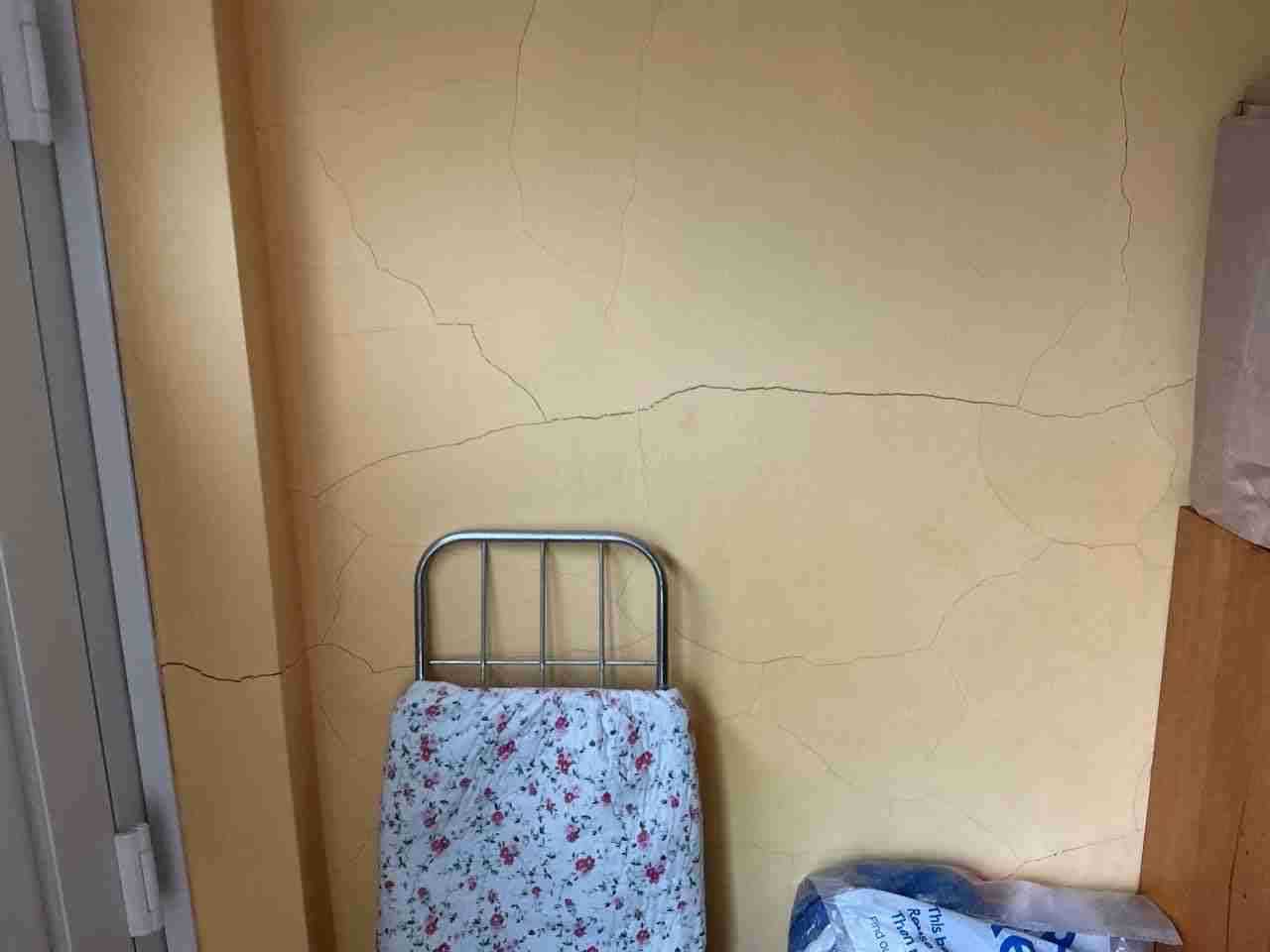
Internal wall cracking associated with a subsidence investigation

Get expert advice

£480
inc VAT · Specific Structural Inspection (SSI)
Contact us
Why trust this guide
  • Written by a Chartered Structural Engineer (CEng MICE)
  • Reports usually delivered in 3–7 working days
  • Professional indemnity and public liability insurance
  • 173+ five-star reviews on Google & Trustindex

Get Your Instant Quote

Enter your postcode to check coverage and see pricing

Email usWhatsApp
WhatsAppCall usEmail