What is it?
An RSJ (Rolled Steel Joist) is a steel beam used to support the structure above when a load-bearing wall is removed. The term RSJ is used loosely by homeowners and builders — technically, most modern steel beams used in residential work are UB (Universal Beam) sections, but the principle is the same: a steel beam carries the loads that the wall previously supported.
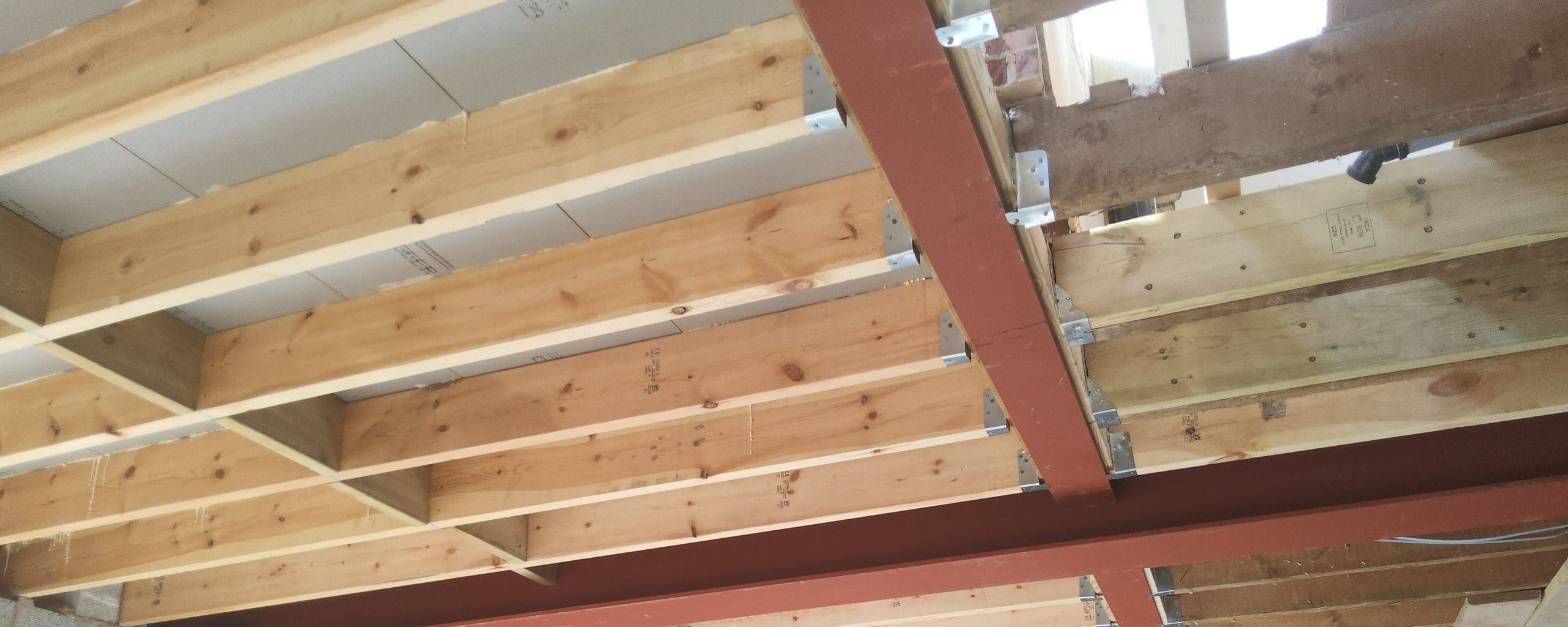
When You Need a Steel Beam
- Removing a load-bearing wall to create open-plan space
- Widening a doorway or opening in a structural wall
- Supporting a floor where the joist span has increased
- Replacing a failed timber lintel above a window or door
- Creating a through-lounge by removing a central dividing wall
- Supporting structure above after chimney breast removal
When to Worry
Every steel beam must be individually calculated by a structural engineer. Using a beam that is too small causes deflection (visible sagging), cracking in the floors or walls above, and in extreme cases structural failure. Using a beam that is too large wastes money and creates installation difficulties. There is no such thing as a "standard" RSJ size — it depends on the span, the loads above and the bearing conditions at each end.
Common RSJ Mistakes
- Guessing the beam size from online tables without proper calculations
- Using a builder who says they "know what size beam you need"
- Not designing adequate padstones or bearings at each end
- Not accounting for loads from above (bathroom, walls on upper floors)
- Installing the beam without temporary propping during the work
- Not getting Building Control sign-off on the completed work
Recommended service: Structural inspection. Fixed price, plain-English report, usually delivered within 3–7 working days.
Planning an alteration rather than investigating damage?If your goal is to remove a wall and create an open-plan layout, the right commercial path is our
wall-removal calculations service rather than a diagnostic inspection.
Frequently Asked Questions
What does RSJ stand for?
RSJ stands for Rolled Steel Joist. It is a steel I-beam manufactured by hot-rolling steel into a section with two horizontal flanges joined by a vertical web. RSJs are used in residential construction to support floors, walls and roofs above an opening when a load-bearing wall is removed.
What is the meaning of RSJ in building work?
In everyday building work, an RSJ is a steel beam installed across an opening to carry the loads previously taken by a load-bearing wall. Although homeowners and builders use the term RSJ for any steel beam, the structural engineer will specify the exact section — usually a Universal Beam (UB) such as a 152x89x16 UB or 203x133x25 UB — based on calculations of the span, loads and deflection limits.
What is the difference between an RSJ and a UB?
An RSJ (Rolled Steel Joist) is an older I-beam profile with tapered flanges. A UB (Universal Beam) has parallel flanges and is the standard section used in modern construction. In everyday language, homeowners and builders use "RSJ" to mean any steel beam — but the structural engineer will specify the exact section (e.g. 203x133x25 UB) based on their calculations.
How is the correct beam size calculated?
A structural engineer calculates the beam size based on the span of the opening, the loads carried from the floors, walls and roof above, the type of floor construction and the bearing capacity at each end. The calculation ensures the beam does not deflect more than the permitted limit and that the padstones and supporting structure can handle the concentrated loads.
How much does an RSJ cost including installation?
The steel beam itself typically costs £200 to £800 depending on size and length. Installation by a builder (including temporary propping, lifting, bearing preparation and making good) adds £1,000 to £3,000. Our structural calculation pack starts from £450 and specifies exactly what beam your builder needs to order.
Can I buy the beam myself or does the engineer supply it?
Your builder typically sources the steel beam to the specification provided in our calculation pack. We specify the exact section size, steel grade and length — your builder orders it from a steel stockholder. We do not supply the physical beam, which keeps our service focused on the engineering.
Do I need Building Control approval for a steel beam?
Yes. Any structural alteration that involves removing a load-bearing wall and installing a steel beam is notifiable under the Building Regulations. You must submit structural calculations before work starts. Our calculation pack includes building control drawings that are ready for submission to your local authority.
How long does it take to get beam calculations?
From initial enquiry to receiving your calculation pack is typically 2 to 3 weeks. We schedule a site visit within a few days, then deliver the calculations and drawings electronically within 3 to 7 working days. The pack includes the beam specification, padstone details, Building Control drawings and temporary support requirements.
Related Guides