My Home Survey Says I Need a Structural Engineer: What Happens Next?
What to do after a Level 2 or Level 3 survey identifies possible structural movement, including choosing the right inspection and understanding its limitations.
Send the exact survey recommendation, property postcode and any photographs to the structural engineer. They can determine whether you need a focused Specific Structural Inspection, a broader General Structural Inspection or a different specialist before you book.
Engineering content reviewed 21 September 2026.
Send the recommendation and property postcode so the appropriate inspection and fixed price can be confirmed before you book.
Send us your survey wordingWhy has the surveyor asked for a structural engineer?
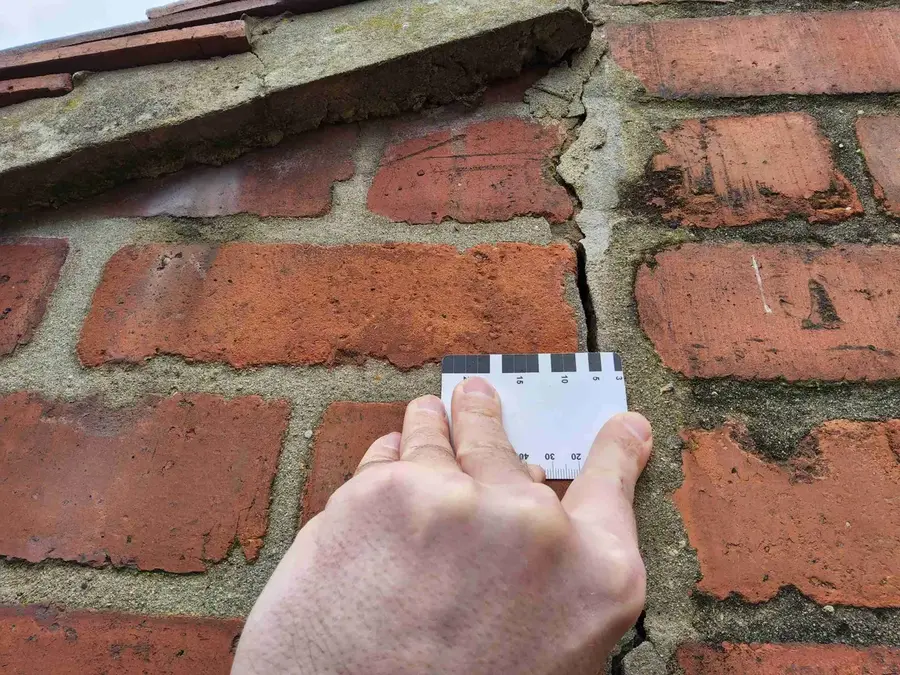
A RICS Level 2 or Level 3 survey considers the overall condition of the property. When the surveyor identifies cracking, distortion or another issue requiring specialist assessment, they may recommend a structural engineer's report rather than give a conclusion outside the agreed survey scope.
This referral does not mean the property is unsafe or that serious subsidence has been confirmed. It means the concern needs a more focused assessment before the buyer, lender or solicitor decides what to do next.
Start with the exact wording in the survey
Copy the complete recommendation rather than paraphrasing it. The wording may refer to one crack, several defects, an alteration such as a removed wall, or a broader concern about the building. Photographs from the survey are also helpful.
The structural engineer can then confirm whether the requested work is within their service, what will be inspected and the fixed price. If a building surveyor, drainage specialist, arboriculturist or another professional is more appropriate, this should be explained before booking.
Do I need an SSI or a GSI?
A Specific Structural Inspection is normally suitable for one defined concern, such as cracking around a bay window or movement at an extension. A General Structural Inspection considers the main visible structural elements more broadly and may suit a survey listing several related structural concerns.
Neither service replaces every part of a RICS building survey. Choosing the scope from the survey wording avoids paying for an inspection that is either too narrow or unnecessarily broad.
- Choose an SSI for one clearly defined issue or area
- Choose a GSI where several structural concerns need to be considered together
- Send the full survey recommendation if the required scope is unclear
What can a visual inspection establish?
The engineer inspects the agreed concern and related visible parts of the property, records relevant damage and considers likely causes based on the evidence available. The written report can explain whether the findings indicate a significant structural concern, appear consistent with historic movement or require further evidence.
The normal inspection is visual and non-intrusive. Concealed foundations, cavities, structural members and underground drainage cannot be confirmed without additional investigation. Furniture, finishes and restricted access can also limit what is visible.
What happens if the cause cannot be confirmed?
A responsible report distinguishes between what was observed, the likely explanation and what remains uncertain. It may recommend monitoring, opening-up, a CCTV drainage survey, ground investigation or another specialist assessment where those steps are proportionate.
If no evidence of significant structural movement is found, the report can say so within the limits of the inspection. It may still recommend routine maintenance or local repairs. The aim is a clear, evidence-based next step rather than automatically specifying expensive work.
Can the report be sent to my lender or solicitor?
Structural reports can be prepared for sharing with the buyer, seller, lender, solicitor or insurer where relevant. Send any specific questions or requested wording before the inspection so they can be considered in the agreed scope.
An engineer can provide professional findings and recommendations, but cannot guarantee how an independent lender, insurer or solicitor will interpret the report or make its final decision.
Need professional help with this?
SSI or GSI recommendation — fixed price from £480, including the agreed site inspection and written report.
Send us your survey wordingFrequently Asked Questions
- Written by a Chartered Engineer (CEng MICE) with over 15 years’ structural engineering experience.
- Reports usually delivered in 3–7 working days
- Professional indemnity and public liability insurance
- 173+ five-star reviews on Google & Trustindex
Get Your Instant Quote
Enter your postcode to check coverage and see pricing