Why Are My Walls Bowing or Bulging? Causes, Risks & Solutions
Why walls bow, when it is serious, and when a £480 chartered inspection is enough. Plain English for Midlands homeowners.
Understanding Why Walls Bow or Bulge
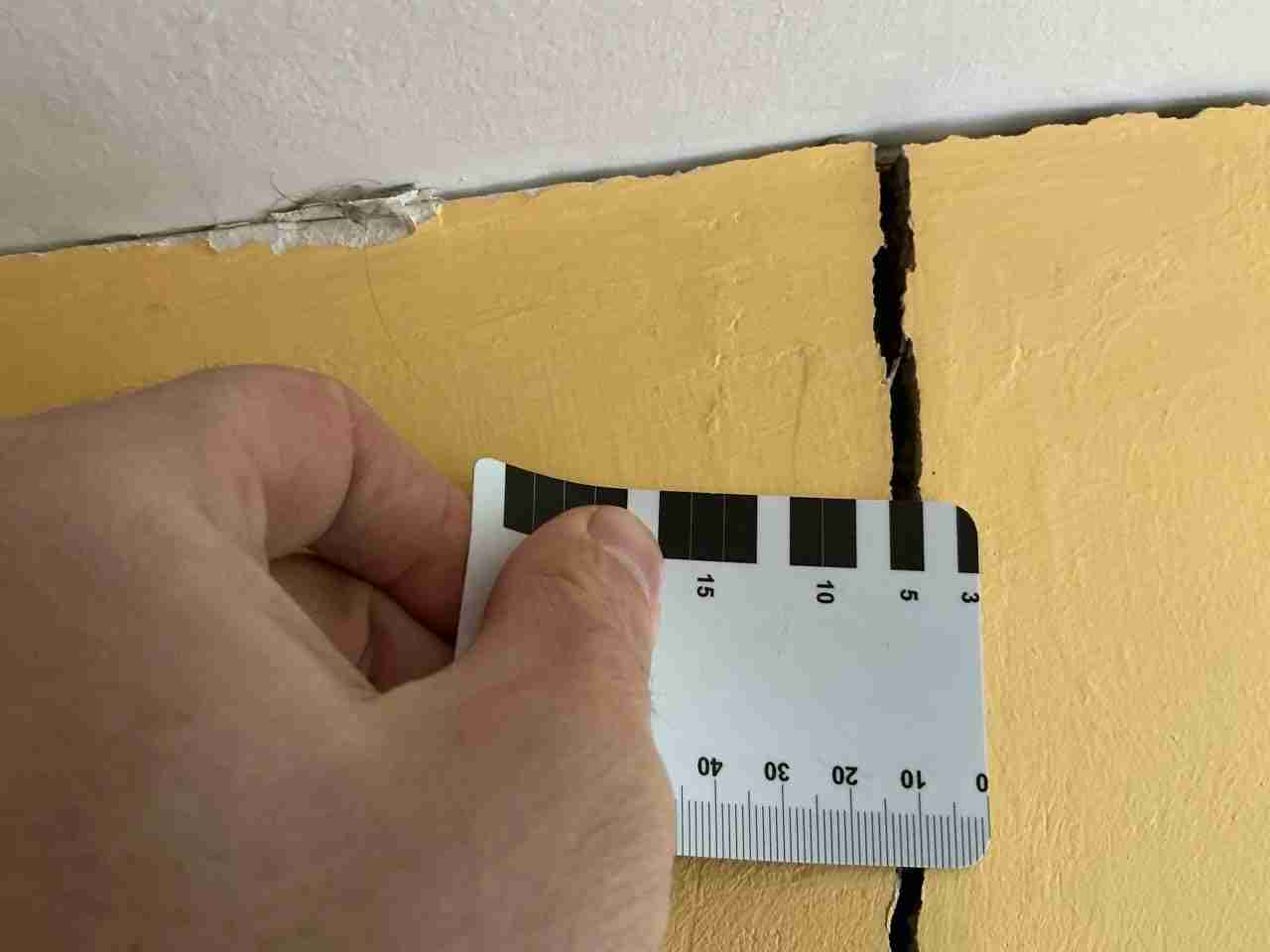
Seeing a crack or bulge in your wall can be a worrying sight. It is a sign that something is moving beneath the surface. Not all bowing walls are a cause for immediate panic — some can be cosmetic issues from old plasterwork or minor settlement. However, a significant bulge or a crack that is growing over time can indicate a more serious underlying issue, such as foundation movement, structural decay, or a problem with the original build.
Common Causes of Bowing Walls
Bowing or bulging of external walls is often indicative of reduced wall stability, and can result from several factors:
- Insufficient wall thickness relative to the height of the building
- Heavier floor loads, especially if extensions have been added — extra weight adds considerable pressure and can lead to older walls bowing
- Heavy traffic vibration — proximity to train lines, construction sites, or heavy plant machinery can destabilise ground and foundations
- Roof spread — where the roof pushes outward on the walls
- Insufficient tying of walls to floors — the most common cause in Victorian and Edwardian properties across the Midlands
Cavity Wall Ties and Masonry Decay
Broken cavity wall ties can also cause walls to bow. Cavity walls consist of an interior and exterior leaf, with ties attached between them for stability. Steel ties can rust and weaken over time, and if the ties fail, walls become prone to leaning or bowing.
Masonry decay from rising damp or salt attack is another contributor. When damp-proofing fails, capillaries in the masonry absorb moisture and salts from the ground. When conditions dry out, the salts crystallise and expand, causing mortar and brick to crumble — which can result in leaning and bowing.
Midlands Properties and Wall Stability
Across the Midlands, from the Victorian terraces of Birmingham and Leicester to the traditional brickwork of Nottingham and Northampton, bowing walls are a frequent concern in older residential properties. Many of these homes were built using solid wall construction that lacks the modern lateral tying found in 21st-century developments. Over decades, as timber floor joists naturally shrink or move, they can lose their grip on the external masonry, leading to a visible outward bulge.
When to Get Professional Help
You are more likely to see bowing, leaning or bulging if your building dates back to before 1914, if your house is semi-detached or end-terrace, or if it has been extended upwards to three storeys or more. If you notice any of these signs, it is essential to get a professional structural inspection to determine the cause and the best remediation approach.
Many homeowners fear that a bulging wall requires a full rebuild. However, our fixed-price structural inspections often identify that the wall can be stabilised for a fraction of that cost using mechanical helifix ties or star plates.
Need professional help with this?
Specific Structural Inspection (SSI) — fixed price from £480, including the agreed site inspection and written report.
Get a fixed quoteFrequently Asked Questions
- Written by a Chartered Engineer (CEng MICE) with over 15 years’ structural engineering experience.
- Reports usually delivered in 3–7 working days
- Professional indemnity and public liability insurance
- 173+ five-star reviews on Google & Trustindex
Get Your Instant Quote
Enter your postcode to check coverage and see pricing